
 Ejiro Efenudu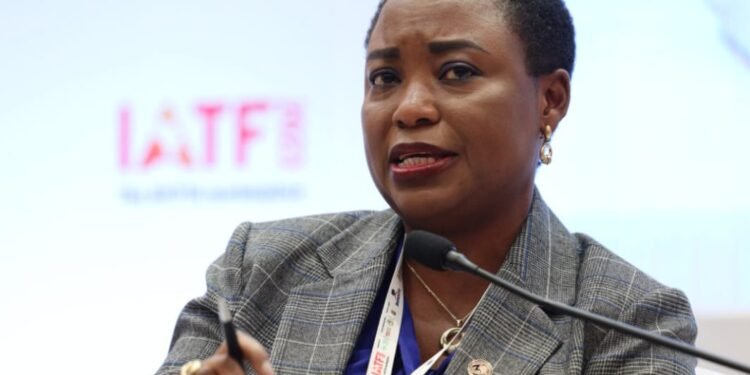
Nigeria continues to lose an estimated $1.1 billion every year to medical tourism, a situation the African Export-Import Bank (Afreximbank) says is draining vital foreign exchange and stalling much-needed investments in the country’s healthcare sector.
The disclosure was made by Mrs Oluranti Doherty, the Bank’s Director of Export Development, during the 32nd Afreximbank Annual Meetings in Abuja on Thursday. She highlighted how the outflow of funds towards medical treatment abroad remains a significant obstacle to the growth and sustainability of local health infrastructure.
“We had our member countries losing a lot of foreign exchange to medical tourism,” Doherty said. “We just talked about Nigeria, where our medical tourism annually is about $1.1 billion. The entire continent is about $7 billion just because we can’t help ourselves when we come up with chronic diseases. That’s money that’s going to other economies, building their institutions.”
Doherty explained that the continued preference for foreign treatment over local solutions reflects deep-seated challenges in Africa’s health sector, particularly the lack of investment in modern equipment, skilled personnel, and research. According to her, the capital flight represents not only a monetary loss but also a missed opportunity to create jobs, improve facilities, and enhance health outcomes domestically.
She also decried the ongoing brain drain in the healthcare industry, noting that many trained professionals are leaving Nigeria and other African countries for better opportunities abroad, further weakening local systems.
“The problem doesn’t stop with the movement of patients abroad. It extends to the migration of our best healthcare professionals who should be building our institutions here,” Doherty noted.
Afreximbank has long advocated for increased investment in Africa’s health sector as part of its broader mission to boost intra-African trade and economic development. At the meetings in Abuja, the Bank reaffirmed its commitment to supporting projects aimed at strengthening the continent’s healthcare capacity.
According to Doherty, one such initiative involves Afreximbank’s collaboration with the African Union on the African Medical Centre of Excellence project, which seeks to establish world-class health facilities on the continent.
“We believe that to stop medical tourism, we have to create facilities here that can cater to our people’s needs,” Doherty stated. “That means investing in infrastructure, but also in the training and retention of quality professionals.”
Health experts have repeatedly called on the Nigerian government and private sector to step up efforts to improve the domestic healthcare landscape. Analysts say issues such as outdated equipment, low funding, poor working conditions for medical professionals, and lack of faith in local facilities continue to drive Nigerians abroad in search of treatment for chronic and critical illnesses.
Afreximbank officials say the institution will continue to work with regional governments, the private sector, and international partners to mobilize financing and technical expertise for health sector reform.
The Annual Meetings, which attracted policymakers, financiers, and industry leaders from across Africa and beyond, focused on promoting intra-African trade, regional integration, and strategies to unlock new growth sectors on the continent.
The Way Forward
With Nigeria facing an economic crunch, coupled with a depleting foreign reserve, analysts argue that stemming the tide of medical tourism is no longer optional—it is an economic necessity. Afreximbank’s emphasis on creating healthcare infrastructure locally aligns with the broader goals of reducing dependence on imports and retaining capital within the continent.
Recommendations from the bank include:
- Establishment of ultra-modern hospitals with international accreditation
- Training and retraining of medical professionals
- Expansion of healthcare financing through sovereign health bonds
- Incentivizing diaspora doctors to return or consult locally
While Afreximbank has pledged support through funding and advisory, the ultimate responsibility lies with the Nigerian government to prioritize health infrastructure and create policies that attract sustainable investment in the sector.
Conclusion
The staggering annual loss of $1.1 billion to medical tourism, as disclosed by Afreximbank, serves as a stark reminder of the gaps in Nigeria’s healthcare system. It is a call to action for all stakeholders to channel efforts into building a resilient, accessible, and high-quality medical framework that serves all Nigerians—rich and poor alike. By doing so, the country can begin to turn the tide, not just in terms of economics, but in health outcomes, national pride, and global credibility.